Check Out the Production Refine Behind High-Quality HDPE Pipe and Its Applications
The production process of high-grade HDPE pipes is complex and systematic. It starts with the selection of raw products that improve performance. Following this, ethylene undertakes polymerization to develop material, which is then shaped via extrusion. Quality assurance is critical, guaranteeing that the final item meets strict requirements. However, the trip of HDPE pipelines does not finish with manufacturing. Their applications across different markets expose a wider value worth checking out.
Comprehending HDPE: Features and Advantages

High-density polyethylene (HDPE) is a versatile thermoplastic understood for its sturdiness and resistance to different ecological variables. This product shows outstanding tensile stamina, making it appropriate for requiring applications. Its low-density framework adds to a lightweight product, assisting in ease of taking care of and installation. HDPE also showcases amazing resistance to chemicals, which minimizes degradation when revealed to extreme materials.
The material's low moisture absorption additionally enhances its longevity, making it perfect for use in pipes and tank. Furthermore, HDPE is immune to ultraviolet (UV) radiation, ensuring that products maintain their stability also when exposed to sunshine. Its versatility allows for the development of complex forms without endangering strength. The environment-friendly nature of HDPE, usually stemmed from recycled materials, contributes to its appeal, advertising sustainable methods in manufacturing. In general, these buildings and benefits make HDPE a preferred choice for different industrial and consumer applications.
Basic Material Selection for HDPE Production
The option of resources for HDPE manufacturing is vital to verify the end product fulfills the desired requirements and high quality criteria. High-density polyethylene (HDPE) is largely generated from polymerized ethylene, derived from fossil fuels such as gas or crude oil. The high quality of these feedstocks substantially affects the mechanical and thermal homes of the last HDPE.
Ingredients likewise play a significant role in improving HDPE's efficiency, including antioxidants, UV stabilizers, and colorants, which boost resilience and resistance to environmental elements. The selection process have to take into consideration not just the chemical structure of the raw materials yet additionally their processing qualities to ensure efficient manufacturing.
Moreover, the sourcing of basic materials ought to prioritize sustainability and compliance with ecological regulations, as liable techniques are important in today's market. Eventually, cautious raw material option lays the structure for generating premium HDPE pipelines appropriate for diverse applications.
The Extrusion Process: Shaping HDPE Pipeline
The extrusion procedure plays a vital function in shaping HDPE pipes, starting with precise product preparation techniques that ensure perfect circulation and uniformity. Just as essential is the style of the die, which directly affects the final dimensions and surface area high quality of the pipeline. With each other, these aspects contribute significantly to the efficiency and top quality of HDPE pipe production.
Material Preparation Techniques
Reliable production of HDPE pipelines starts with meticulous material preparation strategies, specifically the extrusion process. Throughout this stage, high-density polyethylene resin is first dried to remove dampness, making certain optimal circulation features. The material is then fed right into the extruder, where it goes through home heating and melting, transforming right into a thick state. This home heating process is meticulously managed to maintain the product's integrity and efficiency. The molten HDPE is compelled via a die, shaping it right into a continual pipe form. Correct temperature management throughout extrusion is important, as it straight impacts the material's residential or commercial properties and the end product quality. As soon as formed, the HDPE pipe is cooled down and cut to defined sizes, prepared for subsequent handling and applications.
Die Design Importance
Precision in die layout plays a necessary role in the extrusion procedure of HDPE pipes. The die offers as the final shaping device, directly affecting the pipeline's dimensions, wall surface thickness, and surface area finish. A well-designed die guarantees uniform product flow, reducing issues such as irregularities and vulnerable points. The geometry of the die need to be enhanced to suit the certain residential or commercial properties of HDPE, including its thickness and thermal behavior during extrusion. Additionally, the cooling rate of the material as visit here it goes through the die can markedly affect the pipeline's architectural integrity. As a result, investing in advanced die innovation is essential for manufacturers aiming to generate top quality HDPE pipes that fulfill industry requirements and consumer assumptions.
High Quality Control Procedures in HDPE Production
Although different factors influence the quality of HDPE pipe manufacturing, reliable top quality control measures are essential to assure consistency and reliability in the final product. Secret quality control practices include strenuous product examination, validating that the raw polyethylene satisfies established criteria for pureness and thickness. Throughout the extrusion process, parameters such as temperature, pressure, and cooling time are carefully kept track of to preserve dimensional precision and structural integrity
On top of that, post-production testing is important; manufacturers often carry out hydrostatic tests to analyze the pipeline's strength and resistance to stress. Visual examinations for surface defects even more boost high quality assurance. Qualification from relevant requirements companies, like ASTM or ISO, gives an additional layer of credibility. By implementing these comprehensive quality assurance measures, suppliers can minimize issues, enhance efficiency, and make sure that the HDPE pipes meet the details demands of numerous applications, ultimately bring about customer satisfaction and rely on the item.
Applications of HDPE Pipe Across Industries
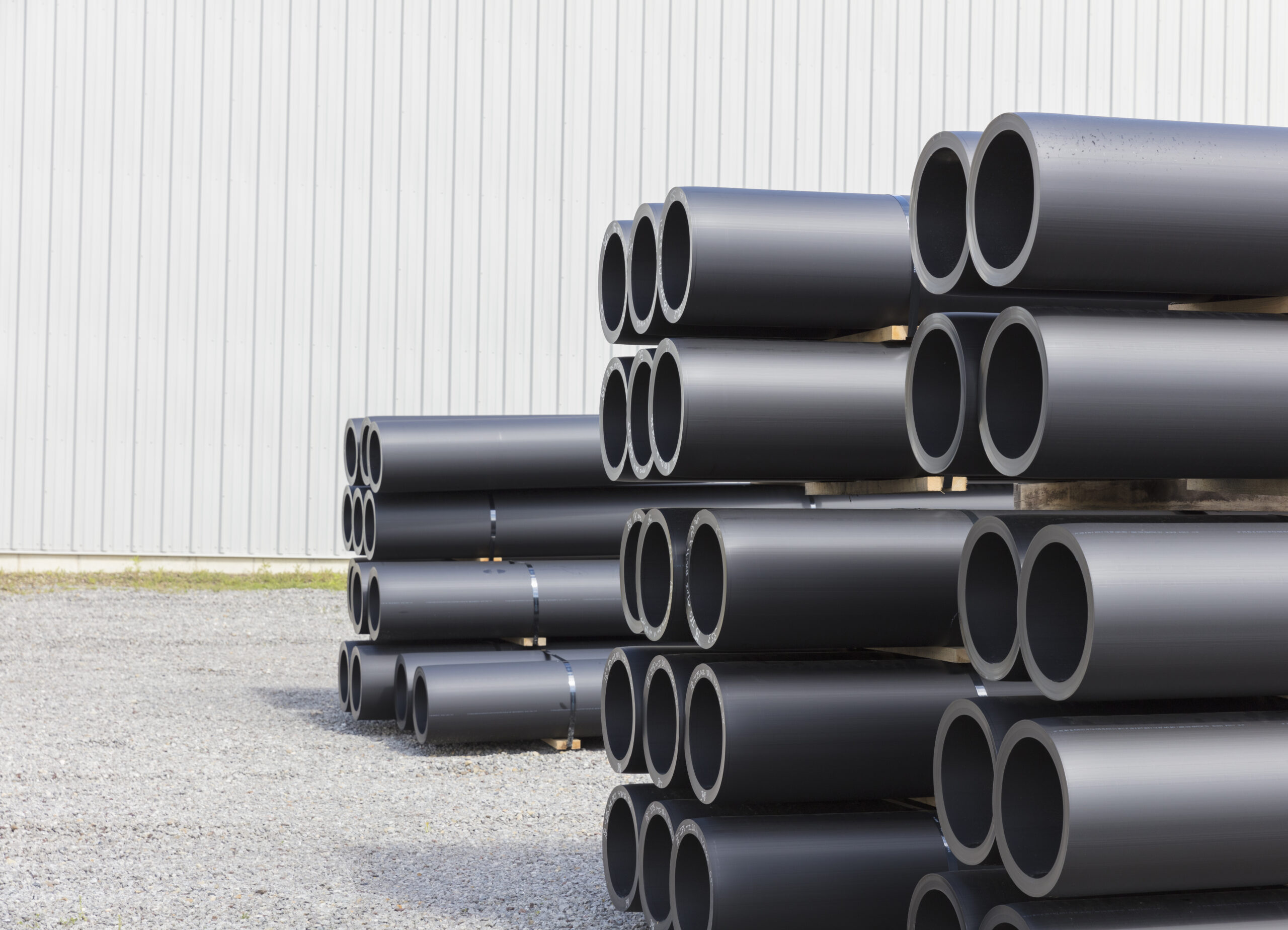
HDPE pipes are made use of across different markets as a result of their toughness and flexibility. In water circulation systems, they assure efficient shipment, while in wastewater monitoring, they give reliable remedies for waste transport. In addition, agricultural watering networks benefit from HDPE's resistance to rust and adaptability, making it a suitable choice for modern farming methods.
Water Circulation Solutions
A significant variety of markets depend on high-density polyethylene (HDPE) look at this site pipelines for reliable water distribution systems. Understood for their longevity and resistance to corrosion, HDPE pipes are extensively made use of in metropolitan water system networks, agricultural irrigation, and commercial applications. Their light-weight nature promotes very easy handling and setup, reducing labor expenses and time. Additionally, HDPE pipes can suit various pressure levels, making them ideal for both reduced and high-pressure systems. hdpe pipe in stock Midland TX. The flexibility of the product enables seamless combination right into existing infrastructure, decreasing the need for considerable excavation. Additionally, HDPE's resistance to chemical leaching guarantees that the water supplied remains risk-free and clean, making it an excellent selection for maintaining the high quality of potable water throughout different markets
Wastewater Monitoring Solutions
Reliable water distribution systems additionally pave the internet way for ingenious wastewater administration remedies, where high-density polyethylene (HDPE) pipelines play a considerable duty. Prominent for their resilience and resistance to rust, HDPE pipes are ideal for transporting wastewater in different settings. Their versatility permits simple installation in intricate environments, reducing the demand for extensive excavation. In addition, HDPE's smooth indoor surface reduces friction, improving flow rates and efficiency. These pipes are likewise resistant to chemical leaching, guaranteeing that impurities do not compromise the surrounding atmosphere. Industries, districts, and treatment facilities progressively rely upon HDPE pipes for their reliability and longevity, making them a recommended choice for modern-day wastewater management systems. This flexibility emphasizes the critical value of HDPE pipes across many applications.
Agricultural Watering Networks
Agricultural irrigation networks profit significantly from making use of high-density polyethylene (HDPE) pipes, which offer efficient and reputable water shipment to plants. HDPE pipelines are light-weight, making them very easy to move and install, while their versatility permits numerous setups in varied terrains. These pipes demonstrate exceptional resistance to deterioration, chemicals, and UV radiation, guaranteeing durability in harsh agricultural atmospheres. Furthermore, their smooth interior surface area lessens rubbing loss, optimizing water circulation and decreasing energy costs connected with pumping. The durability of HDPE pipes, frequently surpassing half a century, adds to decrease upkeep and substitute costs. Subsequently, farmers progressively count on HDPE pipelines to improve irrigation effectiveness and advertise lasting agricultural practices, inevitably leading to enhanced plant returns and source conservation.
Future Trends in HDPE Pipeline Technology
As the need for lasting and reliable infrastructure grows, innovations in HDPE pipe modern technology are poised to change various sectors. Arising patterns include the assimilation of wise innovations, such as sensing units and IoT capacities, which promote real-time surveillance of pipe conditions, reducing upkeep prices and preventing leakages. Additionally, the advancement of advanced manufacturing techniques, such as 3D printing, is enabling the manufacturing of facility, customized pipe styles that satisfy specific project needs.
The emphasis on recycling and round economy practices is driving the technology of HDPE pipes made from recycled materials, improving sustainability. Boosted jointing approaches, such as electro-fusion and mechanical installations, are additionally improving setup performance and integrity. Ultimately, the growing emphasis on environmental regulations is pushing suppliers to adopt greener production procedures, making certain that HDPE pipelines not only meet sector standards however also promote a more sustainable future for framework development.
Regularly Asked Inquiries
Just How Does HDPE Contrast to Various Other Plastic Products?
HDPE outshines several various other plastic products relating to longevity, chemical resistance, and adaptability. Its low thickness and high tensile stamina make it perfect for numerous applications, commonly surpassing alternatives in both performance and longevity.
What Are the Environmental Impacts of HDPE Production?
The environmental influences of HDPE production consist of greenhouse gas discharges, power usage, and possible contamination from producing processes. Additionally, inappropriate disposal can lead to dirt and water contamination, raising worries about lasting eco-friendly effects.
Can HDPE Piping Be Reused?
Yes, HDPE pipes can be recycled. Lots of centers accept used HDPE for processing, transforming it into brand-new items. This reusing adds to sustainability initiatives, lowering plastic waste while saving sources and power in the manufacturing cycle.
What Is the Life-span of HDPE Piping?

Just How Do Temperature Variations Affect HDPE Pipeline Performance?
Temperature variants substantially impact HDPE pipe performance, influencing flexibility and strength. High temperature levels can lead to softening, while low temperatures might cause brittleness, eventually affecting the pipeline's resilience and suitability for different applications in varied atmospheres.
Comments on “Texas hdpe pipe manufacturer: Sustainable Innovations”